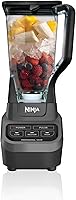
How Long Do Blenders Last?
Many household blenders last about 5 to 10 years, but use, care, and build affect how long a blender lasts. Choose one that fits your routine, follow its instructions, and treat damage or recurring motor trouble as a reason to investigate.
On this page (8 sections)
- How long do blenders last on average?
- What affects a blender's lifespan?
- Which blender parts wear out first?
- How can you choose a blender that lasts?
- How should you set up and use a blender?
- How do you care for a blender after each use?
- When should you repair or replace a blender?
- How long do blenders last, and when should you act?
Many household blenders last about 5 to 10 years, though frequent use, poor care, and worn parts can shorten that span. A working blender with no damage may last longer, so use its condition, your needs, and its warranty as guides rather than replacing it by age alone.
The motor isn't the only part that matters. A cracked jar, leaking seal, or damaged blade assembly can make an otherwise working blender unsafe or impractical to use.
How long do blenders last on average?
A typical household blender may last about 5 to 10 years. The actual lifespan depends on the model, how often you use it, what you blend, and how well you care for it.
A blender used a few times a week for soft ingredients may face less strain than one used daily for thick mixtures and ice. Cleaning habits and following the maker's instructions also affect how long parts stay in good shape.
Warranty length is one useful point of reference, but it doesn't guarantee the blender will last that long or predict how it will perform afterward. Check what the warranty covers, how to contact the brand, and whether compatible replacement parts are available.
For help choosing the right style for your routine, see our countertop blender guide.
What affects a blender's lifespan?
How often you blend, what you blend, and how you care for the machine all affect its lifespan. Use the manual for guidance on fill limits, ingredient order, settings, and run times.
Thick mixtures can put more strain on a motor and blade assembly than lighter blends. Ice, frozen fruit, nuts, and fibrous produce also call for a model suited to those jobs and a blending method that keeps ingredients moving.
Overfilling, running the motor longer than directed, or forcing ingredients down while the blender runs can add avoidable strain. Use a tamper only if your blender includes one and its instructions explain how to use it safely.
Food residue around the blade assembly and moisture in the motor base can lead to problems. Our guide to cleaning a blender jar, lid, and blades covers routine care.
Which blender parts wear out first?
The jar, lid, blade assembly, seals, and drive coupling are common wear points. Before each use, look for cracks, looseness, leaks, or visible damage.
Replace a cracked jar or lid with a compatible part. If a seal leaks or the blade assembly wobbles, stop using the blender until you check the manual and arrange a repair or replacement.
The motor base can also develop problems, such as a burning smell, unusual noise, or stopping during normal use. Unplug the blender and contact the manufacturer or a qualified repair service if you notice those signs.
If a blade needs attention, our guide to removing and replacing a blender blade explains what to consider before starting. Never handle blades while the blender is plugged in.
How can you choose a blender that lasts?
Choose a blender around your usual batch size, ingredients, cleanup routine, and repair needs. The right fit is easier to care for because you won't need to push it beyond its intended use.
For frequent large batches or thick blends, prioritize a suitable motor and a container that fits your household. Consider a tamper if you make dense recipes.
The Vitamix 5200 has a 64 oz container, variable speeds, a High-Speed setting, and an included tamper. Its 7-year limited warranty is a useful point to compare, though it doesn't promise a particular lifespan.
The Vitamix 5200 is a strong fit if you want manual speed control and often make smoothies, purées, sauces, or soups. Skip it if you mainly blend single servings or prefer preset programs, since its larger container and manual controls may be more than your routine needs.
For large batches of drinks with less setting choice, the Ninja Professional Plus BN701 has a 72 oz pitcher with a 64 oz maximum liquid capacity and three Auto-iQ programs. Its pitcher and stacked blade assembly are top-rack dishwasher safe.
Choose the Ninja if you want timed programs for drinks and frozen blends. Skip it if you want a tamper for dense mixtures or manual variable speed control.
The Oster Pro 1200 offers a 6-cup glass jar, seven speeds, three pre-programmed settings, and a 24 oz smoothie cup. Its 10-year limited warranty applies to the all-metal drive.
Choose the Oster if you want both a countertop jar and a separate cup for smoothies. Skip it if you need a larger family pitcher or want a tamper for thick blends.
How should you set up and use a blender?
Set the blender on a stable, dry counter and check that the jar and lid are seated before blending. Keep the base, cord, and plug away from water.
Read the manual before the first use, especially for the maximum fill line, ingredient order, and run times. Add ingredients and select a setting as directed, then stop when the blend is ready rather than continuing to run the motor.
If ingredients stop circulating, switch the blender off before adjusting them. Use the tamper only as directed, and never reach into the jar while the blades are moving.
Common mistakes include overfilling, blending longer than directed, forcing food toward moving blades, and immersing the motor base. Avoid these habits, and unplug the blender before handling the jar or blade assembly.
How do you care for a blender after each use?
Clean removable parts promptly and keep the motor base dry. The right cleaning method depends on the model, so follow its instructions instead of assuming every jar or blade assembly is dishwasher safe.
Rinse or wash the jar, lid, and blades as directed, then dry parts before storage if the manual calls for it. Wipe spills from the base and check the cord, jar, and blade assembly for new damage.
The Ninja BN701's pitcher and stacked blade assembly can go on the dishwasher's top rack. For more detail, read whether a blender can go in the dishwasher.
When should you repair or replace a blender?
Repair a blender when a compatible part can safely solve a limited problem; replace it when damage or recurring motor trouble makes continued use impractical. Consider the fault, parts availability, service options, and whether the blender still fits your routine.
A worn jar, lid, or seal may be fixable with a compatible replacement part. Check the exact model number before ordering because similar-looking parts may not fit.
Unplug the blender if you notice a damaged cord, cracked base, exposed wiring, burning smell, or a motor that stops during normal use. Don't open the motor base unless you're qualified to work on electrical appliances.
Grinding, rattling, or a sharp new noise can signal a loose part or other problem. Don't keep running the blender to see whether the sound goes away; check the manual or arrange service.
If a Ninja blender won't start or blend properly, see our guide to Ninja blender problems and fixes.
How long do blenders last, and when should you act?
How long a blender lasts matters less than whether it still works safely and suits your needs. Keep using it if it blends reliably and has no damaged parts, investigate leaks or unusual noises, and stop using it for electrical problems, cracks, or a burning smell.
Choose repair when an available compatible part can safely solve the problem. Choose replacement when damage or recurring motor trouble makes repair impractical, then compare capacity, controls, cleanup, and warranty against how you blend at home.
For a replacement, choose the Vitamix 5200 for variable control and a tamper, the Ninja BN701 for preset large batches, or the Oster Pro 1200 for a glass jar and smoothie cup. Use the countertop blender guide to compare blender styles before you decide.
Frequently asked questions
How long should a blender last?
Many household blenders last about 5 to 10 years, but there is no fixed lifespan for every model. Frequency of use, care, parts availability, and the maker's warranty all matter.
A blender that works reliably and has no damaged parts can remain useful beyond that range.
What part of a blender usually wears out first?
The jar, lid, blade assembly, seals, or drive coupling may show wear before the motor does. Look for cracks, leaks, loose fittings, dull or damaged blades, and unusual movement.
Check the manual before replacing a part, since some models use sealed assemblies.
Is it worth repairing an old blender?
Repair may make sense when the problem is limited to a replaceable jar, lid, seal, or blade assembly and compatible parts are available. Compare the repair cost with a suitable replacement, and stop using the blender if its motor smells burnt, its cord is damaged, or its base is cracked.
How can I make my blender last longer?
Follow the manual's fill limits, blending instructions, and cleaning steps. Avoid running the motor longer than directed, forcing ingredients into the blades, or immersing the motor base.
Clean spills promptly and inspect the jar, cord, and blade assembly for damage.