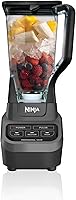
How to Clean a Blender Jar, Lid and Blades
To clean a blender, unplug it, remove the jar and lid, and wash the removable parts with warm soapy water. Keep the motor base dry and use a brush only on visible, reachable crevices.
On this page (9 sections)
- How do you clean a blender jar and lid?
- How do you clean blender blades without getting cut?
- How do you remove dried or sticky blender residue?
- How should you clean a blender after making a smoothie?
- Can you put a blender jar, lid, or blades in the dishwasher?
- How should you dry and store blender parts?
- Which brush should you choose for cleaning a blender?
- What are common mistakes when cleaning a blender?
- How to clean a blender: which method and brush should you choose?
To learn how to clean a blender, unplug it, remove the jar and lid, and wash the removable parts with warm soapy water. Keep the motor base dry, and use a brush only where you can see and control it.
Cleaning soon after blending helps prevent smoothie, sauce, and other food residue from drying onto the jar. Check your blender manual before removing blades, using a dishwasher, or blending soap and water.
How do you clean a blender jar and lid?
Wash the jar and lid with warm water and dish soap, then rinse and dry them. A brief soap-and-water blend can loosen food in many models, but check your manual first.
- Unplug the blender and lift the jar off the base.
- Empty the jar and rinse away loose food.
- Add warm water and a little dish soap if your manual allows it.
- Secure the lid and blend briefly.
- Unplug the blender, empty the jar, then rinse the jar and lid.
- Let the parts dry fully before storage.
If residue remains, use a soft sponge or brush on the jar walls and corners. Keep your fingers clear of the blades, and don't push tools into gaps you can't see.
Wash the lid separately, paying attention to its rim, openings, and removable pieces. Remove a plug or insert only as the manual directs.
How do you clean blender blades without getting cut?
Unplug the blender and keep your hands away from the blade edges. Rinse the blade area carefully, then use a soft brush or cloth to clear stuck food from reachable surfaces.
Don't assume the blade assembly is meant to come apart. Some jars have removable blades and others don't, so follow your model's instructions before unscrewing or replacing anything.
For a blade that needs removal, see how to remove and replace a blender blade. If the blades stop turning or the blender struggles after cleaning, use these checks for a blender that isn't working before running it again.
Which brush helps clean a blender's blade area?
A narrow brush can help with visible crevices, but don't push it beneath a fixed blade assembly or into a gap where it could snag. A brush should fit without force and stay in view while you work.
The Betanull Crevice Brush Set includes right-angle scrub brushes described for bottles, cups, narrow interiors, and blenders. Its right-angle shape may suit accessible tight spots around a jar or lid.
Skip its wire brushes for blender parts unless your manual says the surface can take them. Stop if any brush catches, sheds bristles, or needs force.
How do you remove dried or sticky blender residue?
Soak the removable jar and lid in warm soapy water to soften dried residue. Keep the motor base out of the water, and follow the manual for parts that should stay dry.
Use a non-scratch sponge on the jar, then rinse it well. A small brush can help with lid channels and openings where food collects.
The Holikme Bottle Brush Set has several brush sizes, including long-handled brushes and smaller tools for lids and narrow openings. Its range suits a cleanup routine that includes tall bottles as well as blender parts.
Choose a brush that fits without scraping hard against the jar. Avoid abrasive pads and wire bristles on blender parts unless the manual specifically permits them.
How should you clean a blender after making a smoothie?
Rinse the jar soon after pouring the smoothie, then wash it before residue dries. Thick blends can cling near the bottom, around the blade area, and along the lid rim.
For a quick wash, add warm water and a drop of dish soap, close the lid, and blend briefly if your manual allows it. Unplug the blender before emptying and rinsing the jar.
The BlenderBottle 2-in-1 Bottle and Straw Cleaning Brush has firm bristles for bottles and a flexible mini brush for straws and hard-to-reach crevices. The mini brush may help with an accessible lid opening if it fits without force.
Keep brushes away from moving blades. Clean only unplugged, removable parts, and rinse the brush after use.
Can you put a blender jar, lid, or blades in the dishwasher?
Check your manual for each part before using a dishwasher. A jar, lid, gasket, and blade assembly can have different care instructions, even on the same blender.
If the manual allows dishwasher cleaning, follow its placement and cycle guidance. If it doesn't say a part is dishwasher-safe, wash it by hand.
See whether a blender can go in the dishwasher for more detail. For everyday setup and cleanup, how to use a blender step by step covers a basic blending routine.
How should you dry and store blender parts?
Let the jar and lid dry completely before storing them. Leave the lid off while they dry so moisture can escape from corners and around removable pieces.
Wipe the motor base with a damp cloth, then dry it. Never immerse the base or run water over its controls, cord, or plug.
Reassemble the blender only when every part is clean and dry. If the jar still smells or feels greasy, wash it again and inspect the lid and gasket for trapped residue.
Which brush should you choose for cleaning a blender?
Choose a brush based on the parts you clean most often. For a basic jar wash, a soft sponge and dish soap are enough; buy a brush set when bottles, straws, or narrow openings are part of your regular cleanup.
The BlenderBottle brush is the focused choice for shaker bottles, water bottles, and straws. Its flexible mini brush stores inside the handle, so it suits someone who wants one compact tool for bottle and straw openings.
Choose the Holikme set if you clean several bottle shapes and want a mix of long, narrow, and spout brushes. Skip the larger assortment if you only need to clean one blender jar and have no use for bottle brushes.
The Betanull set suits someone who also needs crevice brushes for household gaps and corners. Its wire brushes broaden its uses, but they aren't a default choice for blender jars, lids, or blades.
What are common mistakes when cleaning a blender?
The main mistakes are leaving the base wet, reaching toward blades, and using a brush that doesn't fit. They can turn a simple cleanup into a damaged part or an avoidable cut.
Don't immerse the motor base, run water over its controls, or clean near moving blades. Don't take apart a blade assembly unless the manual gives instructions, and don't assume every removable part can go in the dishwasher.
Avoid forcing brushes into hidden gaps or using wire bristles on surfaces that may scratch. If residue remains in an inaccessible spot, check the manual for the right cleaning method.
How to clean a blender: which method and brush should you choose?
Use soap, warm water, and a soft sponge for routine jar cleaning; add a brush only for a reachable narrow spot. Check the manual before using the dishwasher, removing blades, or trying a soap-and-water blend.
Choose BlenderBottle for straws and small openings, Holikme for several bottle shapes and brush lengths, or Betanull for visible household crevices as well as accessible blender areas. Skip specialty brushes if the jar and lid clean easily with a sponge.
For more care and troubleshooting, visit the blender care and fixes guide. Unplug before cleaning, let parts dry fully, and keep hands and tools clear of moving blades.
Frequently asked questions
Can you clean a blender by blending soap and water?
For many blender jars, warm water and a little dish soap can loosen residue when blended briefly with the lid secured. Check your manual first, then unplug the blender before emptying and rinsing the jar.
Keep water away from the motor base.
How do you clean blender blades safely?
Unplug the blender and keep your hands away from the sharp blade edges. Rinse the blade area carefully, then use a soft brush or cloth to remove residue without forcing it beneath a fixed assembly.
Take blades apart only if the manual explains how.
Can a blender jar go in the dishwasher?
It depends on the blender model and the part. Check the manual for the jar, lid, gasket, and blade assembly separately because their care instructions can differ.
Wash a part by hand if the manual doesn't say it's dishwasher-safe.
How do you remove odors from a blender jar?
Wash the jar and lid promptly with warm soapy water, rinse them, and let them dry fully with the lid off. Check the gasket and crevices for trapped food.
If an odor remains, follow the blender maker's cleaning guidance and avoid abrasive tools that could damage the jar.