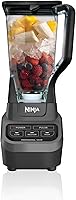
Why Won't My Ninja Blender Lid Open?
To open a stuck Ninja blender lid, switch off and unplug the base, let the contents settle, then release the lid lock and lift gently. If the jar is pressurized or the lid still resists, wait and check your model's manual.
On this page (7 sections)
- How do you open a Ninja blender lid safely?
- Why won't a Ninja blender lid come off?
- What should you do if the lid is stuck after blending?
- Can hot or overfilled contents make a lid harder to open?
- How can you prevent a Ninja lid from getting stuck again?
- When should you stop trying to open the lid?
- What is the safest way to handle a stuck Ninja blender lid?
To open a stuck Ninja blender lid, switch off and unplug the base, let the contents settle, then release the lid lock and lift gently. If the jar feels pressurized or the lid still resists, wait and check the manual for your exact model.
A lid that won't move may still be locked, held by suction, or pressing against contents that have not settled. Don't force it, and keep your hands away from the stacked blade assembly.
How do you open a Ninja blender lid safely?
Unplug the blender, wait for movement to stop, and release the lid using its designed tabs or handle. The exact release points vary by Ninja model, so follow the instructions for your jar and lid.
Set the base on a stable, dry surface. If the jar can be removed from the base without moving the lid, do that only if your manual permits it.
Hold the jar steady and lift the lid with a gentle, even motion. Don't twist hard, wedge a utensil under the edge, or reach into the jar while the stacked blades remain in place.
For a first-time setup, our guide to how to use a Ninja blender explains the basic jar, lid, and base sequence. If the motor base or controls are also acting oddly, see common Ninja blender problems and fixes.
Why won't a Ninja blender lid come off?
A lid may remain stuck because its lock is engaged, suction holds it against the jar, or pressure is pushing from inside. A damaged or misaligned tab can also prevent the release from working as expected.
Is the lid lock still engaged?
Many full-size Ninja jars use a lid that must be seated and locked for operation. If you have just finished blending, the lid's locking points may still be engaged with the handle or rim.
Check the manual for the release motion. Don't assume every Ninja lid opens by lifting straight up or turning in the same direction.
Could pressure or suction be holding it?
Pressure can build inside a closed jar, especially if its contents are warm. Suction can also make a lid feel firmly attached even after blending stops.
Keep the blender unplugged and give the contents time to settle. Don't press down on the lid or pull suddenly, since a sudden release can spill the contents.
Is a blade or part misaligned?
A blade assembly or lid that is not sitting as intended can make parts feel difficult to move. Avoid trying to correct a jam by reaching into the jar or forcing the handle.
If the lid, jar, or locking tabs look cracked, bent, or loose, stop using the blender until you have checked the manual or contacted Ninja support.
What should you do if the lid is stuck after blending?
Stop, unplug the base, and wait before trying the release again. Don't use the blender's controls to shake loose a lid that will not open.
- Switch the blender off and unplug it.
- Wait until the blades have stopped and the contents have settled.
- Keep the jar upright on a stable surface.
- Check for a model-specific latch or release instruction.
- Lift gently, stopping if the lid resists.
If the jar is hot, let it cool before handling it further. Don't put your face over the lid, and don't try to vent it by poking through an opening.
If you need a replacement lid or the lock seems damaged, use Ninja's official support and product resources. Have the model number available so you can get instructions that match the blender.
Can hot or overfilled contents make a lid harder to open?
They can contribute to pressure or spills, so follow your model's fill and temperature instructions. Don't open a jar that seems pressurized until it has had time to settle and cool.
Some Ninja full-size pitchers have a marked maximum liquid capacity. For example, the BN701, BL610, and BP201 have 72 oz pitchers with a clearly marked 64 oz maximum liquid capacity.
That mark is a limit for liquid, not a reason to fill the jar to the rim with ingredients. Leave room as directed in your manual, especially when blending ingredients that expand, foam, or release steam.
For the BN701 or BL610, the included lid is made for a family-size pitcher. The Ninja Professional Plus BN701 adds three Auto-iQ programs, while the Ninja Professional BL610 uses manual controls.
If a hot mixture is involved, wait for it to cool and follow the manual before attempting to open the lid. Don't shake or invert a sealed jar to relieve pressure.
How can you prevent a Ninja lid from getting stuck again?
Lock the lid as instructed, stay within the jar's fill limits, and clean the rim and locking points after use. These steps can reduce spills and help the lid release normally next time.
Before blending, check that the lid is aligned and fully seated. Don't force a tab into place if it does not line up easily.
After use, unplug the base and remove the lid according to the manual. Clean the jar, lid, and blades with care using our guide to cleaning a blender jar, lid, and blades.
The Ninja UltraCrush BP201 has a 72 oz pitcher with a marked 64 oz maximum liquid capacity, plus manual Low, High, and Max settings. Its pitcher and other listed parts are dishwasher-safe, but check the model instructions for which parts and rack placement are allowed.
When should you stop trying to open the lid?
Stop if the lid, jar, or locking tabs look damaged, or if gentle release does not work. Forcing a stuck lid can break a part or cause a spill.
Don't use knives, screwdrivers, or other tools to pry around the rim. Avoid reaching under the lid or into the jar while the blade assembly is installed.
Contact Ninja support when the lid remains stuck after the blender is unplugged and the contents have settled. Share the model number and describe whether the jar was hot, overfilled, or difficult to lock.
What is the safest way to handle a stuck Ninja blender lid?
To open a Ninja blender lid, unplug the base, wait for the contents to settle, and release the lock as your model's manual directs. Keep the jar upright and use gentle pressure.
If the contents are hot or the lid still will not move, wait and seek model-specific support. Pick the BN701 for its Auto-iQ presets, the BL610 for manual controls, or the BP201 for three manual speeds and a marked liquid limit.
For setup and normal operation, read how to use a Ninja blender. If the blender itself is not working, use the troubleshooting steps in Ninja blender not working.
Sources:
- Ninja Kitchen support resources: Ninja support
- Ninja blender safety and use instructions: Ninja manuals and guides
Frequently asked questions
How do I open a stuck Ninja blender lid?
Switch off and unplug the blender, wait for the blades and contents to settle, then release the lid lock or tabs as your model's manual shows. Lift gently without twisting hard or prying with a tool.
If the lid remains stuck, leave it alone and contact Ninja support for model-specific advice.
Why is my Ninja blender lid locked?
The lid may still be engaged with its locking tabs, or pressure and suction may be holding it against the jar. A safety interlock can also keep parts from moving as expected.
Unplug the base, let the contents settle, and follow the manual for releasing your exact lid.
Can I run hot soup in a Ninja blender?
Check the manual for your exact model before blending hot ingredients. A sealed jar can build pressure as hot contents release steam, which can push against the lid when you try to remove it.
Let contents cool and follow the manual's fill and venting instructions.
Should I pry a blender lid open with a knife?
No. A knife or other hard tool can slip, damage the jar or lid, or bring your hand near the blades.
Unplug the blender, wait for pressure or suction to ease, and use only the release points described in the model's instructions.